
Recent Blogs
-
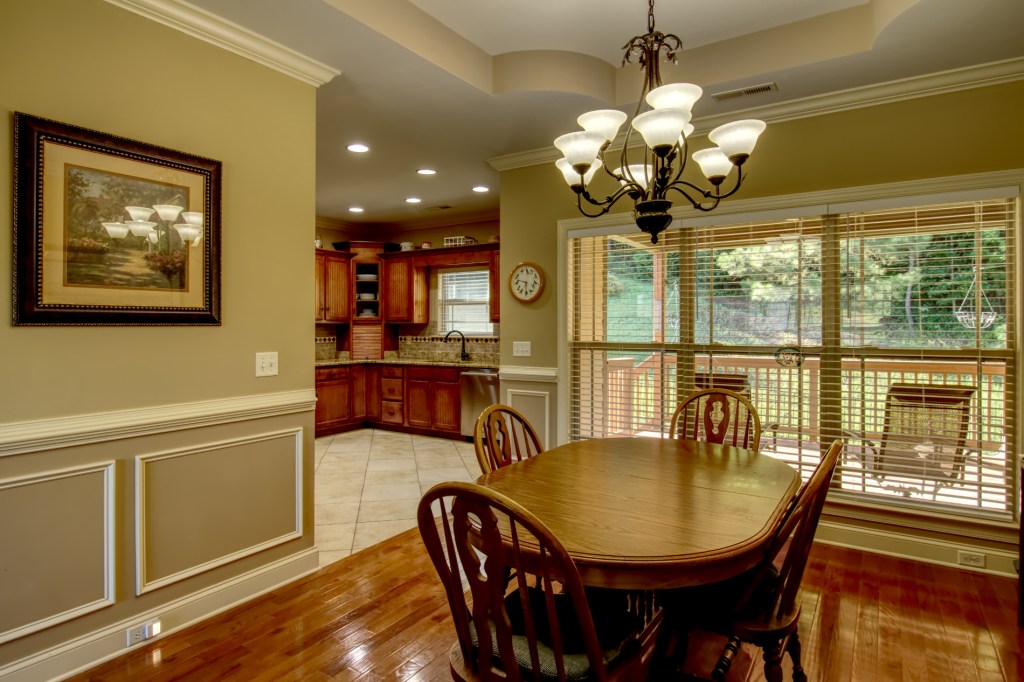
Effective real estate photography hinges on strategic sequencing. Start with captivating hero shots and the most appealing interior features to hook buyers. Follow a logical walkthrough of communal areas, transitioning to private spaces. Highlight unique features last, ensuring smooth navigation. This logical flow elevates engagement, captivating potential buyers and encouraging showings.
-

Cloudy days can be beneficial for real estate photography, as they create soft, diffused lighting that eliminates harsh shadows and glare. This results in balanced exterior photos and appealing interior images, highlighting textures and warmth. Techniques like tripod use and sky replacement ensure exceptional final images, converting potential setbacks into notable advantages for property marketing.
-

In real estate photography, high-quality images are crucial for attracting buyers. While smartphones offer convenience and accessibility, they fall short in image quality and manual control compared to DSLRs. For serious listings, investing in a DSLR is advisable, as it provides superior image quality, flexibility, and greater creative control, enhancing property appeal.
-
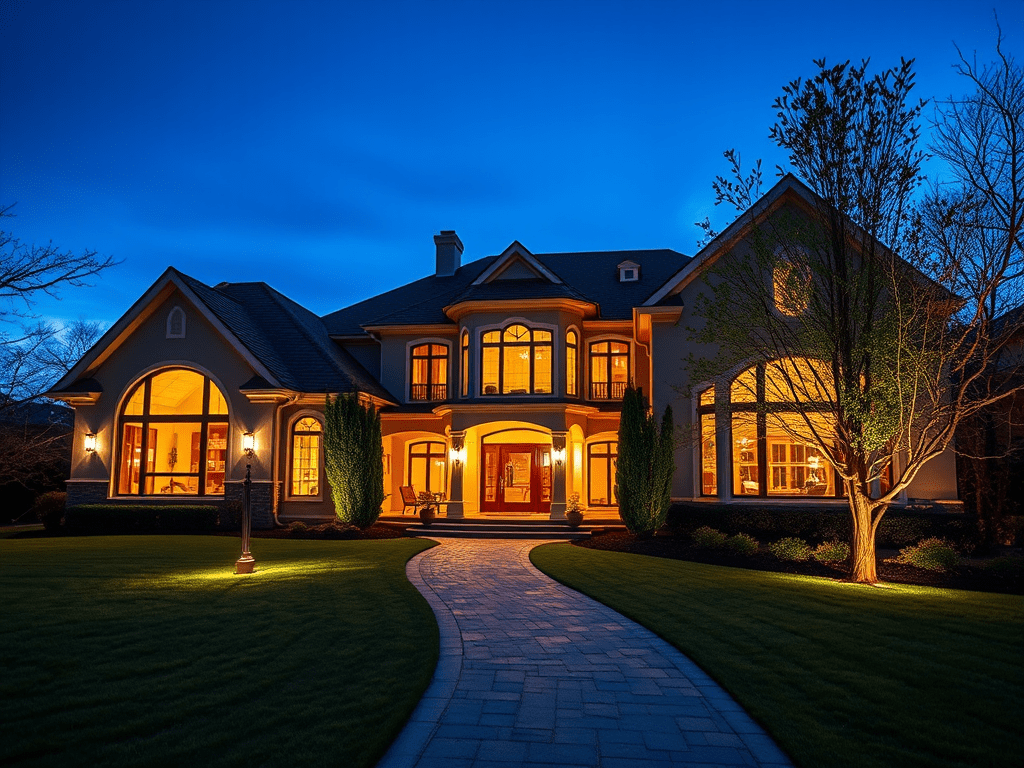
Twilight photography is essential for effectively showcasing real estate by capturing the captivating “blue hour” after sunset. Preparation, proper equipment, and specific camera settings, including Automatic Exposure Bracketing, are crucial. Post-processing enhances the image quality, balancing warm interiors with the cool evening sky. Mastering these techniques can significantly attract potential buyers.
-

To prepare your home for a successful real estate photoshoot, focus on significant cleaning and decluttering. Remove personal items, clear surfaces, tidy up exteriors, and ensure appealing ambiance with proper lighting. On the shoot day, allow the photographer to concentrate on composition, showcasing your home’s best features and facilitating a speedy sale.
-
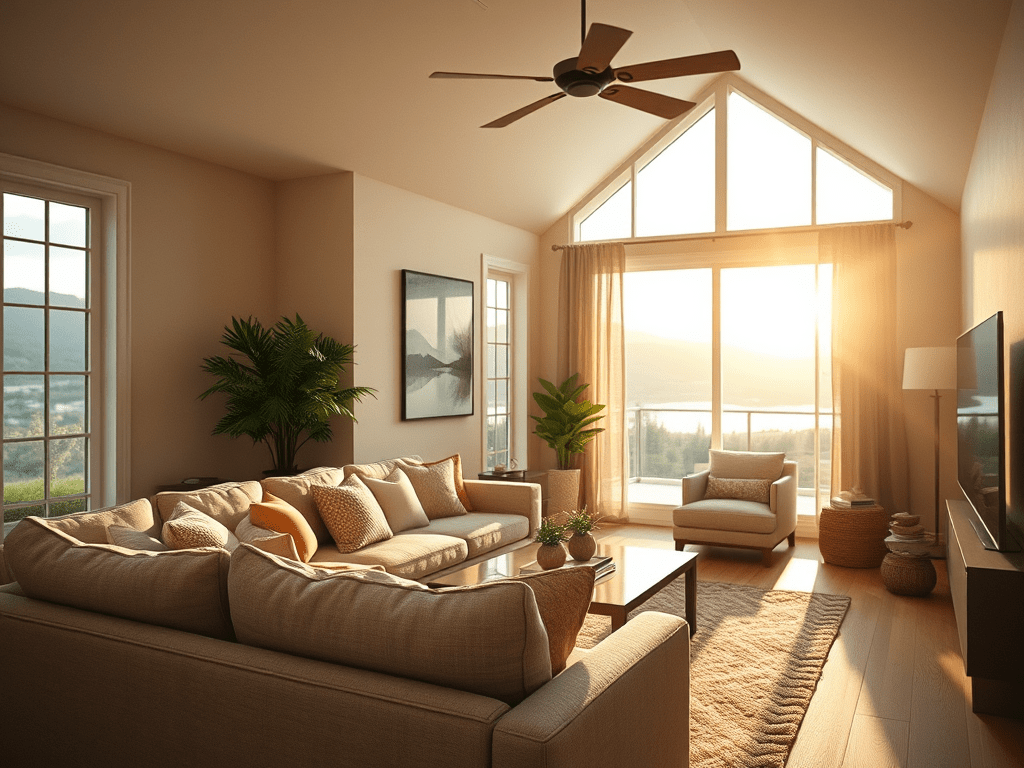
In real estate photography, achieving sharpness throughout the frame is essential. A higher f-stop, particularly f/8, is recommended to ensure optimal sharpness while avoiding diffraction. This setting balances depth of field and light management, making it ideal for showcasing spaces effectively. Use a tripod for stability and best results.
-
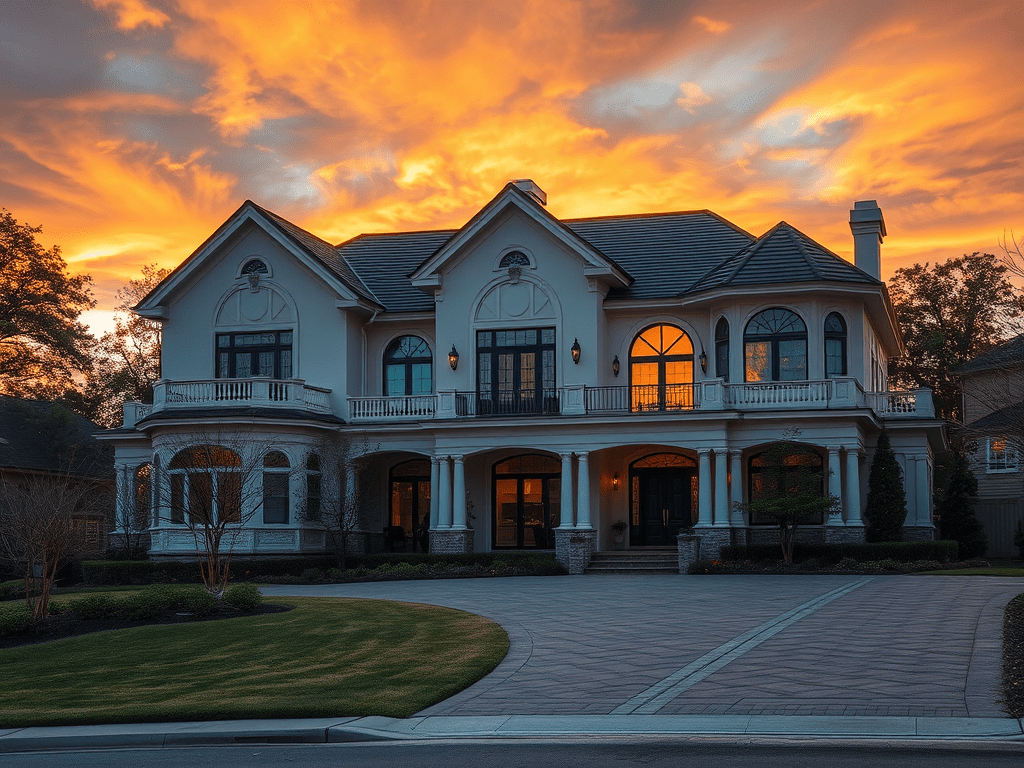
Capturing Stunning Real Estate: 3 Tips for Using HDR Outdoors High Dynamic Range (HDR) photography is a powerful tool for any photographer, but it’s especially useful in real estate. When shooting outdoors, the contrast between bright sunlight and deep shadows can be a challenge. Using HDR can help you capture a more accurate and appealing…
-
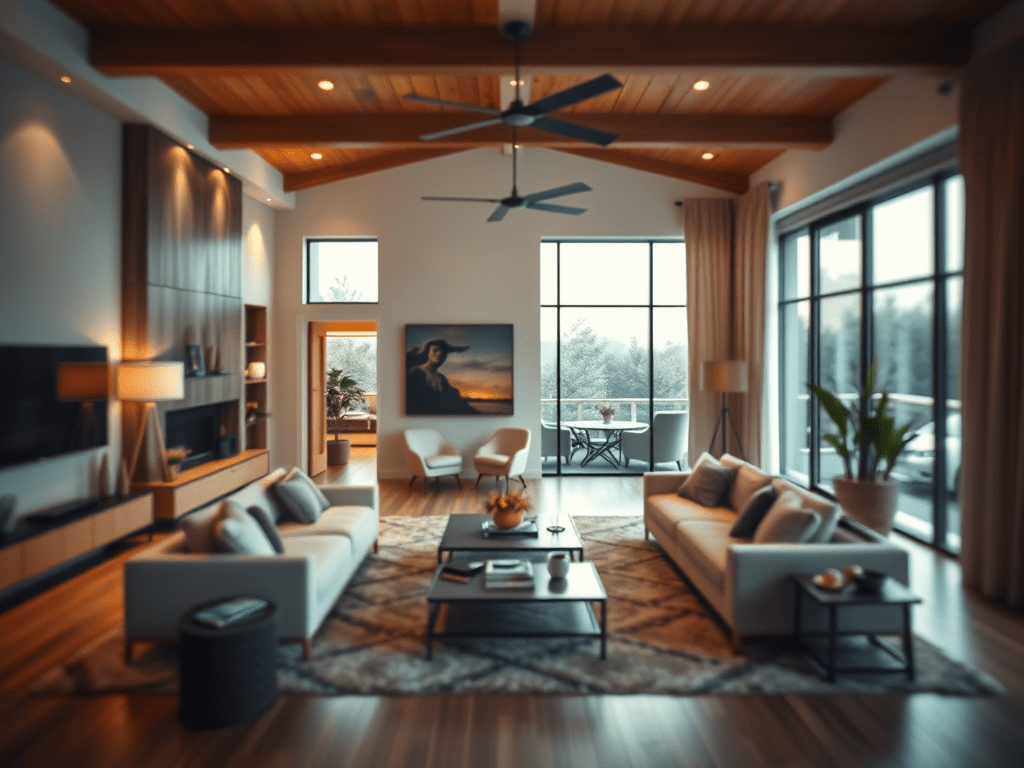
Capturing stunning real estate photos is all about perspective, and one of the most common questions I get is about tripod height. While there’s no single magic height, a great starting point is to position your camera at a height that gives the viewer a sense of being in the room without seeing too much…
-

The “Wow” Factor: Why Drones Are a Game-Changer Drone photography gives you a significant advantage by creating a sense of scale and context that traditional photos can’t capture. Imagine a buyer seeing not just the front of a house, but also its expansive backyard, a sparkling pool, or its proximity to a serene lake or…
 Carrigan Real estate Photography