
Finding Your F-Stop Sweet Spot for Real Estate Photography
For those of us who love to get behind the lens, the f-stop is a familiar friend. We know it controls our depth of field and the amount of light hitting the sensor, but knowing the theory and applying it to a specific genre of photography are two different things. Today, let’s talk about finding the ideal f-stop for a niche that demands sharpness from front to back: real estate photography.
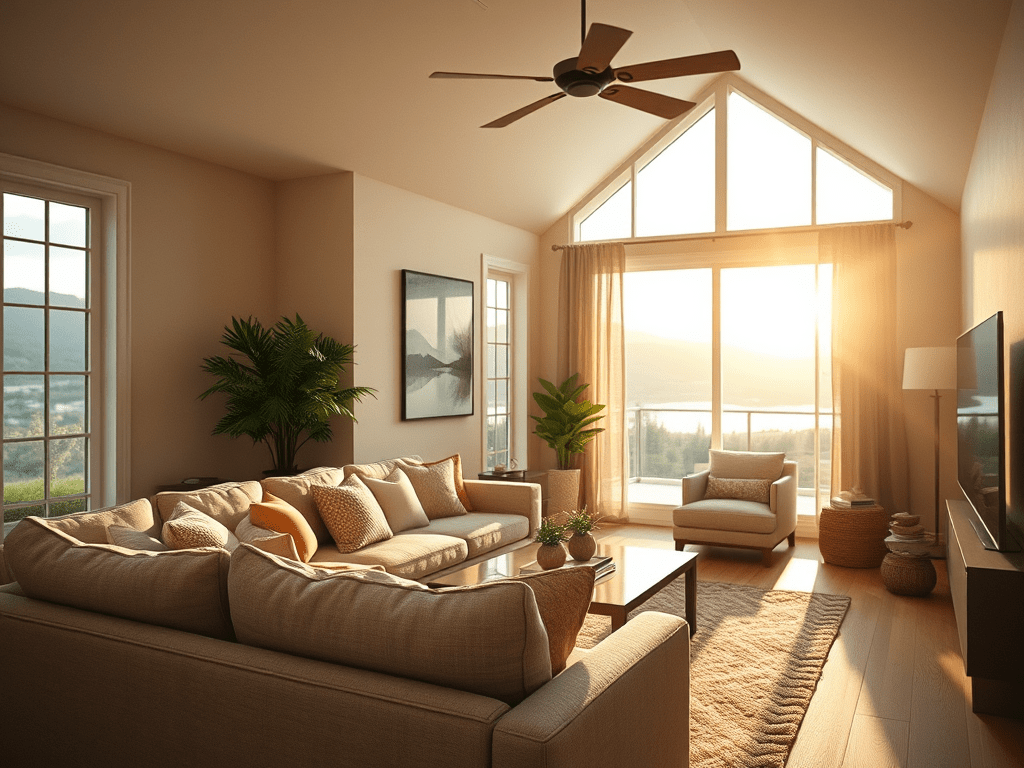
In real estate photography, your goal is to showcase an entire space, making it look as inviting and expansive as possible. This means you want everything in the frame to be sharp and in focus, from the couch in the foreground to the beautiful view out the window. This is where your f-stop choice becomes critical.
Why a High F-Stop is Your Best Bet
A higher f-stop number corresponds to a smaller aperture opening. Think of it like a pinhole: the smaller the opening, the more of the scene will be in focus. This is the “deep depth of field” we strive for in architectural and real estate work.
A low f-stop (a wider aperture) is fantastic for portraits, where you want to isolate your subject with a blurred background. But for real estate, that’s the last thing you want. A blurry couch or a soft-focus kitchen counter will detract from the professional, polished look a client expects.
The Magic Number: f/8
While there’s a range of effective f-stops for this genre, a consensus among professional real estate photographers points to f/8 as the perfect starting point and a go-to setting.
Here’s why f/8 is the sweet spot:
- Optimal Sharpness: At f/8, most lenses are at their sharpest. Pushing the aperture too high (e.g., f/16 or f/22) can actually introduce a phenomenon called “diffraction.” This optical effect causes light to bend as it passes through the tiny opening, resulting in a loss of overall sharpness and a softer image. So, while you’ll get a very deep depth of field, you’ll sacrifice image quality.
- Balancing Act: F/8 strikes a fantastic balance. It provides a deep enough depth of field to keep the entire room in focus, but it’s not so high that you risk diffraction. It’s the best of both worlds.
- Light Management: A higher f-stop means less light gets in, which will naturally require a slower shutter speed. This is where a tripod becomes non-negotiable. With a tripod, you can use a long shutter speed to achieve a perfectly exposed shot without worrying about camera shake, all while keeping your ISO low (we’re talking ISO 100 or 200) to minimize digital noise and grain.
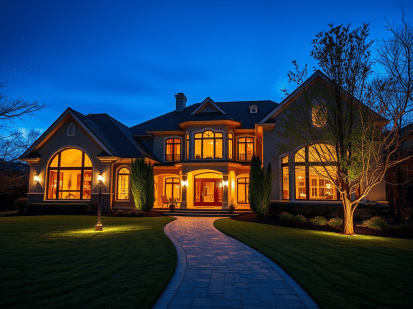
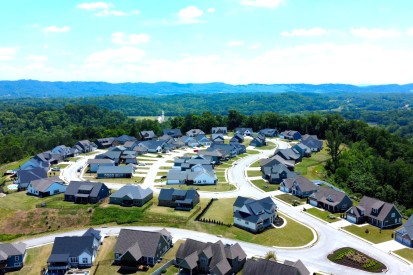
Of course, the exposure triangle is all about balance. If you’re shooting in an incredibly bright room, you might be able to get away with f/11 to ensure every last detail is sharp. And for exterior shots on a sunny day, f/11 can be ideal. But for interiors, which are the bread and butter of real estate photography, f/8 is the number you should dial in first.
So next time you’re on a real estate shoot, start with f/8. Lock your camera down on a sturdy tripod, set your ISO as low as possible, and let your shutter speed do the heavy lifting. You’ll be well on your way to creating stunning, tack-sharp images that sell.







 Carrigan Real estate Photography